
Hyperrealism Art
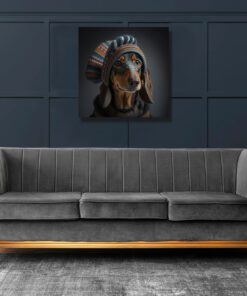
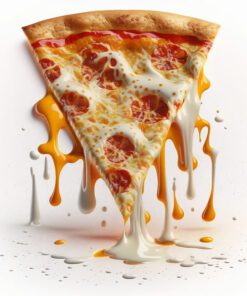
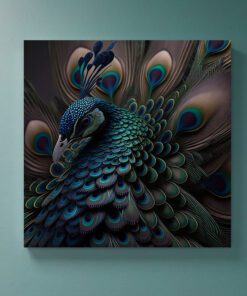
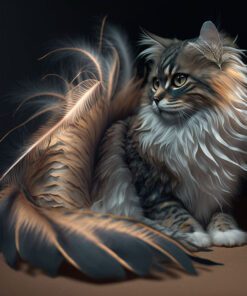
Hyperrealism is a contemporary art movement that emerged in the 1960s as a response to the abstraction and minimalism that dominated the art world at the time. This style of art is characterised by an extremely detailed and realistic representation of the subject matter, which can be either still life, landscape, portrait, or even imaginary scenes.
Hyperrealist artists use various techniques and mediums, such as oil painting, acrylics, graphite, and sculpture, to create works that are so lifelike that they often appear to be photographs. They pay close attention to detail, texture, light, and shadow, and use these elements to create a sense of depth and realism in their art.
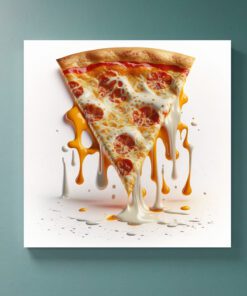
Hyperrealism often focuses on everyday objects or scenes, such as cars, food, or people, and emphasises the beauty and complexity of these subjects. It is a style that requires a high level of technical skill and precision, as well as a deep understanding of light, form, and composition.
Hyperrealism challenges the viewer’s perception of reality by creating works that are so realistic that they can be mistaken for photographs. It invites the viewer to look more closely at the world around them and appreciate the beauty and intricacy of everyday objects and scenes.

Price range: £25.00 through £159.99
This product has multiple variants. The options may be chosen on the product page


(5)
Price range: £25.00 through £159.99
This product has multiple variants. The options may be chosen on the product page


(1)
Price range: £25.00 through £159.99
This product has multiple variants. The options may be chosen on the product page


Conceptual
(5)
Price range: £25.00 through £159.99
This product has multiple variants. The options may be chosen on the product page

Conceptual
Price range: £25.00 through £159.99
This product has multiple variants. The options may be chosen on the product page


Abstract
Price range: £25.00 through £159.99
This product has multiple variants. The options may be chosen on the product page

Conceptual
Price range: £25.00 through £159.99
This product has multiple variants. The options may be chosen on the product page

Price range: £25.00 through £159.99
This product has multiple variants. The options may be chosen on the product page

(1)
Price range: £25.00 through £159.99
This product has multiple variants. The options may be chosen on the product page
(2)
Price range: £25.00 through £159.99
This product has multiple variants. The options may be chosen on the product page

Price range: £25.00 through £159.99
This product has multiple variants. The options may be chosen on the product page
(3)
Price range: £25.00 through £159.99
This product has multiple variants. The options may be chosen on the product page