
Wall Art
What Wall Art Should I Get?
Aug
- Key Takeaways
- Decoding Personal Style and Preferences
- Understanding Wall Art Terminologies
- Selecting the Perfect Colour Scheme
- Incorporating Artwork by Room
- Framing and Presentation
- Matching Artwork with Home Decor Styles
- Budgeting for New Art Pieces
- The Impact of Art in Different Spaces
- Final Considerations in Wall Art Selection
- A few art piece ideas
- Frequently Asked Questions
What Wall Art Should I Get? A Guide to Choosing the Perfect Piece
Choosing the right wall art for your home can transform your space, adding personality and style. Identifying your personal style and preferences is crucial, as it will guide you in selecting pieces that resonate with you. Consider the colours, themes, and overall aesthetics of your home when making your choices.
To begin, think about where you want to place your artwork. Different rooms may call for different types of art. For example, vibrant and lively pieces might suit a living room, while something more calming could work well in a bedroom. The size of the artwork should also match the wall space to create a balanced look.
Don’t forget the importance of framing and presentation. A well-chosen frame can enhance the art and make it stand out. Additionally, consider how the artwork will interact with other elements in the room. By paying attention to these details, you can create a cohesive and inviting atmosphere in your home.
Key Takeaways
- Identify your personal style and preferences
- Match art with the room’s decor and space
- Consider framing and presentation details
Decoding Personal Style and Preferences
Choosing wall art is more than just a decorative endeavour; it’s an expression of your personal style and taste. This section will focus on identifying your stylistic preferences and incorporating elements of your personality to create an aesthetically pleasing living space.
Identify Your Personal Style
Understanding your personal style is crucial in selecting wall art that truly resonates with you. Consider your daily environment and the visual elements you are drawn to. Do you admire minimalist designs, bold contemporary art, or classic traditional pieces?
Visit galleries and museums to observe different art forms such as paintings, sculptures, and photography. Note down the colours, shapes, and subjects that capture your interest. Creating a Pinterest board or a scrapbook filled with images that appeal to you can also help crystallise your personal style.
Additionally, consider the existing decor in your home. Your wall art should complement the furniture, colour scheme, and overall theme of your space. By aligning your taste with your surroundings, you’ll ensure a harmonious and cohesive look.
Incorporating Personality into Home Decor
Art is an extension of your personality, and the pieces you choose should reflect who you are. Think about your hobbies, passions, and life experiences. For instance, if you love travelling, incorporate artworks that showcase places you’ve visited or dream of visiting.
Commissioning custom art or personalised signs can add a unique touch to your decor. Consider integrating elements like family portraits, favourite quotes, or even abstract interpretations of your most cherished memories. These find a natural place on your walls, making your home distinctly yours.
Lastly, don’t be afraid to mix and match. Combining various styles and frames can result in a dynamic gallery wall that tells your story. Balance is key—ensure that while each piece stands out, they all contribute to a cohesive look. Focusing on your personality ensures your home is not just aesthetically pleasing, but also deeply personal.
Understanding Wall Art Terminologies
To choose the perfect wall art, it’s crucial to understand the various types and formats. This section will help you navigate the terminology, from different art styles to the specific formats available.
Types of Wall Art
Prints: These are reproductions of original artworks and can be found in various forms, including art prints and photography. Prints are a versatile option that suits any decor style.
Canvas Prints: Made by printing an image onto canvas, these often come stretched over a wooden frame. Canvas prints offer texture and depth, imitating the look of painted artwork.
Framed Prints: These prints are enclosed in a frame, which can add a polished look to your wall art. Framed prints are typically protected by glass or acrylic, preserving the artwork.
Posters: Often more affordable, posters are printed on paper and can be easily swapped out or updated. They are an ideal option for temporary or budget-conscious decorating.
Artwork Forms and Formats
Canvas: Besides canvas prints, some artwork is directly painted or created on canvas. This medium is popular for its durability and classic appeal.
Photography: Photographic prints capture moments in stunning detail and can range from landscapes to portraiture. Photos can be printed on various materials, including canvas and paper.
Art Prints: These include limited edition prints, giclée prints, and lithographs. Art prints offer a high-quality reproduction of an original piece, often signed by the artist.
Forms: Wall art comes in different forms, including abstract, realism, and minimalist styles. Each form contributes a distinct visual and emotional impact, catering to various tastes.
Understanding these terms allows you to make informed decisions that enhance your living space with art that resonates with your style and preferences.
Selecting the Perfect Colour Scheme
Selecting the perfect colour scheme involves more than just choosing your favourite hues. It’s about creating harmony between your wall colour and the artwork you want to display.
Wall Colour and Artwork Harmony
To achieve harmony, begin by analysing the dominant colours in your room. Identify the shades that you wish to highlight or accentuate. For example, if your space is filled with cool tones like blues and greens, consider artwork that incorporates these colours to create a cohesive look.
Additionally, you might opt for a contrasting approach. Use the colour wheel to find complementary colours. For example, a deep purple wall can seamlessly complement artwork with similar tones.
Consider the impact of vibrant and muted hues. Vibrant colours can add energy, while muted shades tend to create a calming effect. Select artwork that reflects the mood you want in the room.
Lastly, pay attention to the theme of your decor. From modern to rustic, choose artwork that aligns with your overall style. This ensures visual interest and coherence in your living space.
Incorporating Artwork by Room
Selecting the right artwork for each room in your home enhances its appeal and can create unique atmospheres tailored to each space. Consider the specific functions and aesthetics of your living room, bedroom, and office to make the best choices.
Statement Pieces for the Living Room
In the living room, wall art often serves as the focal point. Choose statement pieces that reflect your style and complement the existing decor. Large paintings or bold, colourful prints can create a significant impact.
Coordinate the artwork with your furniture to provide balance. For example, if your furniture is minimalist, a vibrant and intricate piece can add depth and interest. It’s also key to hang artwork at eye level to enhance visibility and engagement.
Grouping smaller artworks can also make a powerful statement. Try creating a gallery wall that combines different sizes and types of art for a dynamic display. This approach can fill larger wall spaces effectively and add an eclectic touch to your living room.
Creating a Sanctuary with Bedroom Art
The bedroom is a personal space where art should evoke relaxation and comfort. Soft, muted colours and calming subjects, like landscapes or abstract works, often work well here.
Placing artwork directly above the bed or on the wall opposite the bed ensures it becomes the focal point. Ensure that the size of the piece is appropriate for the wall space to avoid overshadowing or getting lost among other elements.
Photographs or artworks that hold personal significance can also enhance the room’s intimate feel. Incorporating pieces that complement your bedding and bedroom furniture helps to create a cohesive and tranquil sanctuary.
Elevating Interiors with Office Wall Art
In an office, wall art can boost productivity and creativity. Choose pieces that inspire and motivate you. Abstract art or dynamic patterns can energise the space, while minimalist prints can help maintain a clean and organised atmosphere.
Consider placing artwork behind your desk or on a prominent wall that you face frequently. This ensures that the art is both visible and impactful.
Functional art, like decorative clocks or stylish bulletin boards, can combine aesthetics with utility. Integrating such pieces ensures that your office remains both beautiful and efficient, enhancing your work environment.
Aligning the artwork with the room’s colour palette and office furniture can help in creating a harmonious and inspiring workspace.
Framing and Presentation
Selecting the right frame and knowing how to hang or mount your artwork are crucial elements that can enhance its visual impact. Your choices in framing and arrangement could either elevate or detract from its appeal.
To Frame or Not to Frame
Choosing whether to frame your art depends largely on the piece itself and the effect you desire. Framed prints generally offer a more polished, professional look. Frames can also protect the artwork from physical damage and environmental factors. Consider the style of your home decor when choosing a frame. Minimalist homes may benefit from sleek, thin frames, while traditional settings might look better with ornate designs.
If you opt not to frame, you can use alternatives such as gallery wall installations with clip hangers or adhesive mounting strips. This can lend a more casual and eclectic feel. The type of art you’re displaying influences this decision as well; modern prints may not require a frame to make a strong statement.
Hanging and Mounting Techniques
Proper hanging and mounting techniques ensure your artwork is displayed to its best advantage. For a single piece, eye level is generally ideal—about 57 to 60 inches from the floor to the centre of the piece. For a gallery wall, arrange the art by laying it out on the floor first to perfect your layout.
Keep spacing uniform, usually 2 to 3 inches between frames. Use hardware appropriate for the weight of the piece; heavy works need robust screws and anchors, while lighter pieces can often be hung with nails or adhesive strips. Make certain the wall material can support the weight to avoid damage.
Experiment with staggering or aligning frames to create either symmetry or visual interest, and don’t be afraid to rearrange until you’re satisfied.
Matching Artwork with Home Decor Styles
Choosing the right wall art is essential for enhancing your home decor. The type of artwork you select should complement your interior design style, whether contemporary, classic, minimalist, or rustic.
Contemporary Versus Classic Themes
In a contemporary setting, sleek and modern pieces often work best. Look for artwork with clean lines and abstract forms. Consider black and gold framing to add a touch of sophistication. This style pairs well with minimalistic furniture and monochromatic colour schemes.
A classic theme, on the other hand, benefits from traditional art pieces. Think landscapes, portraits, and still life. Ornate gold frames can add a sense of opulence to your space. These pieces often include rich colours and intricate details that complement wood furnishings and vintage decor.
Minimalist Versus Bold Statements
A minimalist decor style focuses on simplicity and minimalism. Choose artwork with neutral tones and simple, uncluttered designs. Monochrome pieces or geometric shapes can contribute to a serene atmosphere. Consider groupings of small works to create a gallery wall that adds interest without overwhelming the space.
For a bold statement, opt for oversized pieces that act as a focal point in the room. Vibrant colours and striking patterns can make a significant impact. Consider using large-scale photographs or abstract paintings. The key is to balance the art with your room’s décor so that it stands out without creating visual noise.
Rustic Charm Versus Modern Glamour
Rustic charm relies on natural materials and earthy tones. Look for artwork depicting nature scenes, wildlife, or farm life. Frames made of reclaimed wood or distressed metal can enhance the rustic feel. These elements complement wooden furniture, exposed beams, and vintage accessories, creating a cosy and inviting atmosphere.
Modern glamour, in contrast, embraces luxury and elegance. Choose sophisticated pieces with metallic accents or high-gloss finishes. Abstract art with bold colours and sleek, minimalistic frames can add a glamorous touch. This style pairs beautifully with plush furnishings, mirrored surfaces, and polished metals to create a modern, stylish space.
Budgeting for New Art Pieces
Starting your art collection without breaking the bank and understanding the balance between investment artwork and affordable finds are essential for making smart purchases.
Start Your Art Collection Without Breaking the Bank
Begin by setting a realistic budget. Determine how much you can spend without affecting your finances. Consider buying directly from the artist’s website or at art shows to avoid extra fees from galleries and online platforms.
Explore various mediums—paintings, prints, and photographs—each priced differently. Opt for unframed pieces to cut costs. Select smaller artworks, which are often more affordable, especially from emerging artists.
Second-hand markets or online auctions can offer unique pieces at reasonable prices. Remember, good art does not have to be expensive; you can find high-quality pieces that fit your budget.
Investment Artwork Versus Affordable Finds
Investment artwork can appreciate over time, often created by established artists. While these pieces are typically more expensive, they may increase in value, providing a potential return on your investment.
Affordable finds, on the other hand, are budget-friendly and ideal for those starting an art collection. They include works from emerging artists, prints, or limited editions. These pieces allow you to enjoy unique art without significant financial commitment.
Decide if you prefer artwork for its immediate aesthetic appeal or as a long-term investment. Diversify your collection by balancing both expensive and affordable pieces. This strategy ensures your collection is both enjoyable and holds potential future value.
The Impact of Art in Different Spaces
Achieving the right effect in your home involves understanding how art interacts with space. Factors like the psychology of space and ceiling height all play crucial roles in influencing how wall art is perceived.
The Psychology of Space and Art Interaction
The interaction between space and artwork affects how a room feels and functions. Using the right colours can evoke specific emotions. Blues and greens, for instance, are perceived as soothing and are excellent choices for bedrooms or bathrooms. On the other hand, reds or yellows can bring energy and warmth, making them more suitable for kitchens or dining areas.
In interior design, balance and symmetry are critical. A large piece can be balanced with smaller artworks on the opposite wall, creating harmony. Conversely, combining different shapes and sizes can add visual interest and depth to a room.
Ceiling Height and Wall Art Perception
Ceiling height significantly impacts how wall art is perceived. In rooms with high ceilings, larger pieces of art should be used to avoid the feeling of emptiness. The artwork should be placed at eye level, roughly 57 to 60 inches from the floor, ensuring optimal viewing.
For lower ceilings, consider placing smaller, compact pieces that do not overwhelm the wall space. Grouping smaller artworks together can create the illusion of height and add a dynamic focal point. The relationship between ceiling height and art placement is vital in creating a balanced and cohesive interior design scheme that enhances the overall aesthetics of your space, making it both functional and pleasing to the eye.
Final Considerations in Wall Art Selection
When selecting wall art, several factors can influence your decisions, from working with interior designers to ensuring the longevity of your pieces through proper maintenance and cleaning. Consider the investment potential of your choices as well.
Coordinating with Interior Designers
Working with interior designers can significantly enhance the selection and placement of your wall art. Designers can provide expert advice on matching artwork with the existing décor and furniture.
They can help you choose pieces that complement your room’s colour scheme and style, whether it’s botanical prints or retro themes. Measuring and deciding the size of artwork is crucial to ensure it fits perfectly within the space without overwhelming or getting lost on the wall.
Interior designers also assist in creating harmony between different pieces, using strategies like grouping smaller artworks into a gallery wall or opting for a single, impactful portrait or landscape.
Maintaining and Cleaning Wall Art
Proper maintenance and cleaning of wall art are essential to preserve its beauty and value. Dust and dirt can accumulate over time, dulling the colours and details. Regular dusting with a soft, dry cloth can prevent this build-up.
For deeper cleaning, especially of sensitive materials like canvas or antique prints, it’s advisable to consult a professional. Avoid harsh chemicals that can damage the artwork. For framed pieces, periodically check the glass and frames for any signs of wear or need for tightening.
Maintaining appropriate humidity and temperature levels in the room also helps in preserving the integrity of the artwork, preventing issues like mould or warping.
Artwork as an Investment and Asset
Wall art can also serve as a valuable investment and asset. When purchasing artwork, consider the potential for appreciation in value. Original pieces by well-known artists often retain or increase in market value over time, making them not just decorative elements but financial assets.
Researching artists and trends can guide you in making informed purchases. Working with galleries or art consultants can also help in identifying pieces that are both aesthetically pleasing and have strong investment potential.
Maintaining detailed records of your purchases, including receipts and provenance details, can be crucial for future reselling or valuation purposes. This approach ensures that your wall art remains both a source of aesthetic enjoyment and a strategic asset.
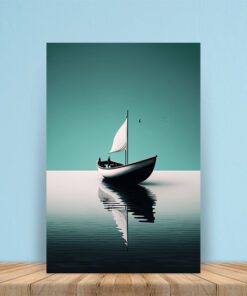
A few art piece ideas

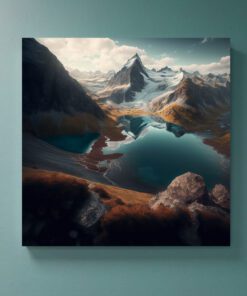
Oil Painting

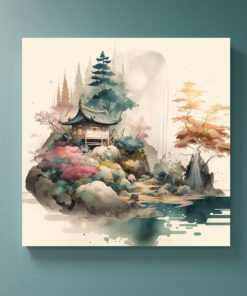
Watercolour


Frequently Asked Questions
Choosing the right wall art involves considering the size of the space, the theme of the room, and the overall aesthetic you wish to achieve. Matching or complementing the existing decor is also crucial for a cohesive look.
For the bedroom, focus on calming and serene artwork. Pieces that evoke relaxation, such as landscapes or abstract art with soft colours, work well. Size matters; artwork should not overpower the space but be proportional to the wall and furniture.
Living rooms benefit from bold and impactful pieces. Consider grouping similar pieces together to create a visual focal point. The artwork should be hung at eye level to create harmony and ensure visibility.
Dining rooms often favour art that stimulates conversation and enhances the dining experience. Choose pieces with rich textures or vibrant colours to create a warm atmosphere. Abstract and still-life paintings are popular choices.
Consider the size of the artwork relative to the space. Pieces that are too small may get lost, while oversized ones can overwhelm. A work of art at least 120 cm wide above a double bed is recommended. Pay attention to the colours and styles that match the existing decor.
Themes should reflect your personal taste and the mood you want to set in the room. Whether it’s nature, abstract, or modern art, consistency in theme helps tie the room together. Look for art that resonates with your style and complements other design elements.
While it isn’t mandatory for wall art to match the decor, it should at least complement it. Wall decor adds flair and personality. Coordinating with colours, materials, and furniture styles helps maintain a cohesive look and feel in the space.